





Affordable Interior Painting Services for Homeowners in Tampa Bay
When it comes to enhancing the aesthetics and value of your home, few upgrades compare to the impact of a
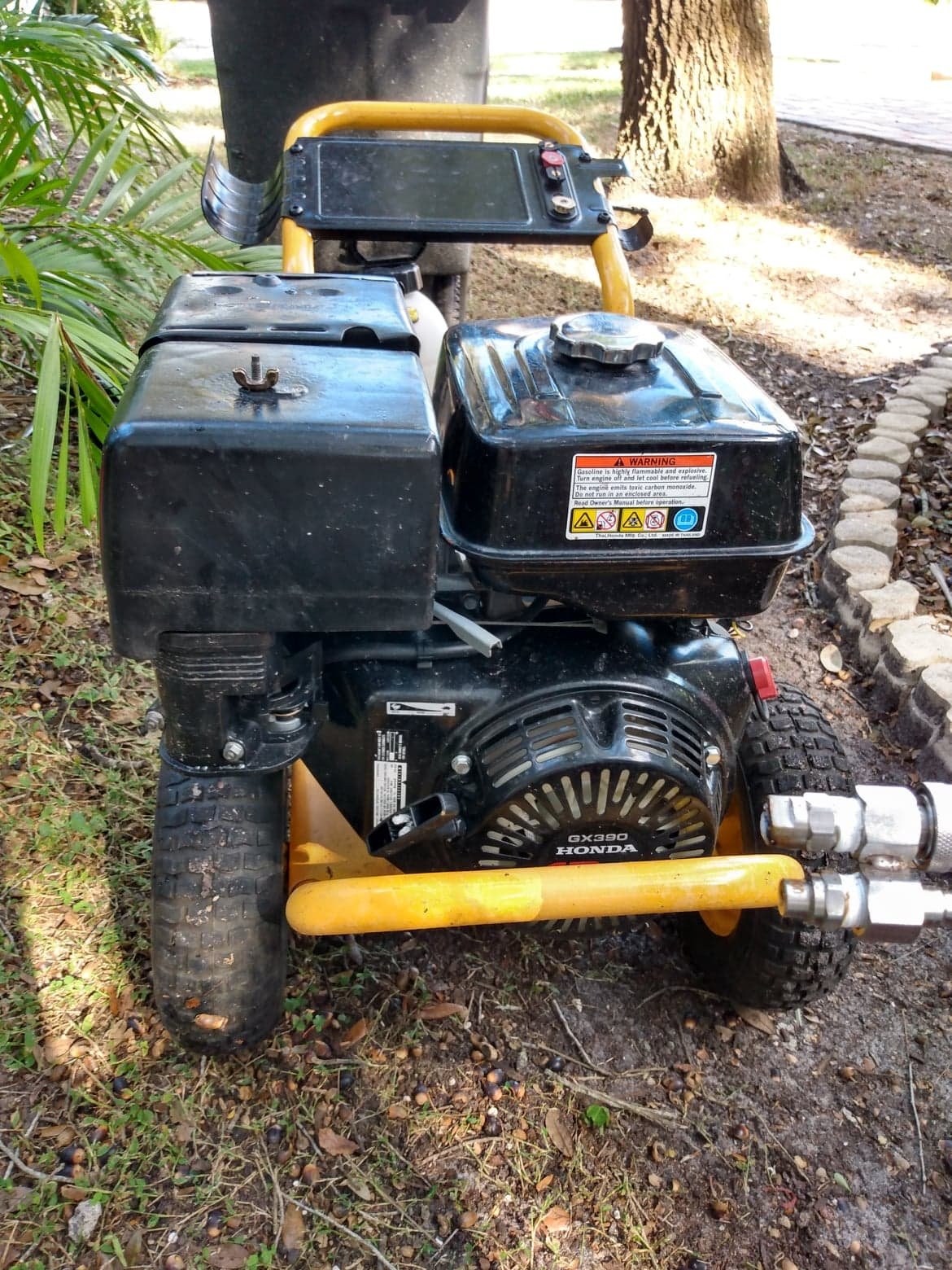
Keep your property looking clean, protected, and beautiful with Esso B Services. We specialize in pressure washing, soft washing, solar panel washing, exterior cleaning, and professional painting services for residential and commercial properties throughout St. Petersburg, FL.
Our pressure washing, soft washing, and exterior cleaning services help restore the appearance of your property by removing dirt, algae, mold, mildew, and stains. We use professional equipment and safe cleaning methods to deliver outstanding results for homes and businesses throughout St. Petersburg, FL.
Remove dirt, grime, algae, and stains from driveways, sidewalks, patios, and concrete surfaces.
Safely clean roofs, siding, stucco, and painted surfaces using low-pressure cleaning methods.
Keep solar panels clean and operating efficiently by removing dust, pollen, and debris.
Restore the appearance of residential and commercial properties with professional exterior cleaning solutions.


With years of industry experience, our local team provides professional pressure washing, soft washing, solar panel cleaning, and painting services for residential and commercial properties throughout St. Petersburg, FL.

For property managers, business owners, and facility managers, a great paint job makes a lasting impression. Our commercial painting contractors near St. Petersburg, FL, provide detailed and efficient service tailored to business needs. We minimize downtime while delivering premium finishes.
We work nights or weekends to avoid disrupting your operations.
Commercial-grade paints and sealants for long-lasting results.
From offices to retail, we handle every surface with skill.
Your property is protected by trained professionals every step of the way.
Our featured work at Esso B Services showcases pressure washing, soft washing, solar panel cleaning, exterior cleaning, interior painting, exterior painting, cabinet painting, and more.
Your home deserves the attention of a team that cares. Our residential painting contractors near you in St. Petersburg, FL, work with you to choose the right colors, finishes, and schedule. Whether it's one room or the entire house, we deliver quality that lasts.
We help match your vision with the perfect shades and finishes.
From bedrooms to fences, we handle every corner of your property.
We treat your home with care and always clean up after ourselves.
Transparent pricing that fits your budget without sacrificing quality.
It depends on the size and scope of the job. Most residential projects are completed in 2–5 days.
We supply all necessary materials, including premium-quality paint. Custom selections are always welcome.
Yes, every painter at Esso B Services is fully licensed, insured, and trained for safety and quality.
Absolutely. We provide no-obligation quotes after a quick consultation or site visit.
When it comes to enhancing the aesthetics and value of your home, few upgrades compare to the impact of a
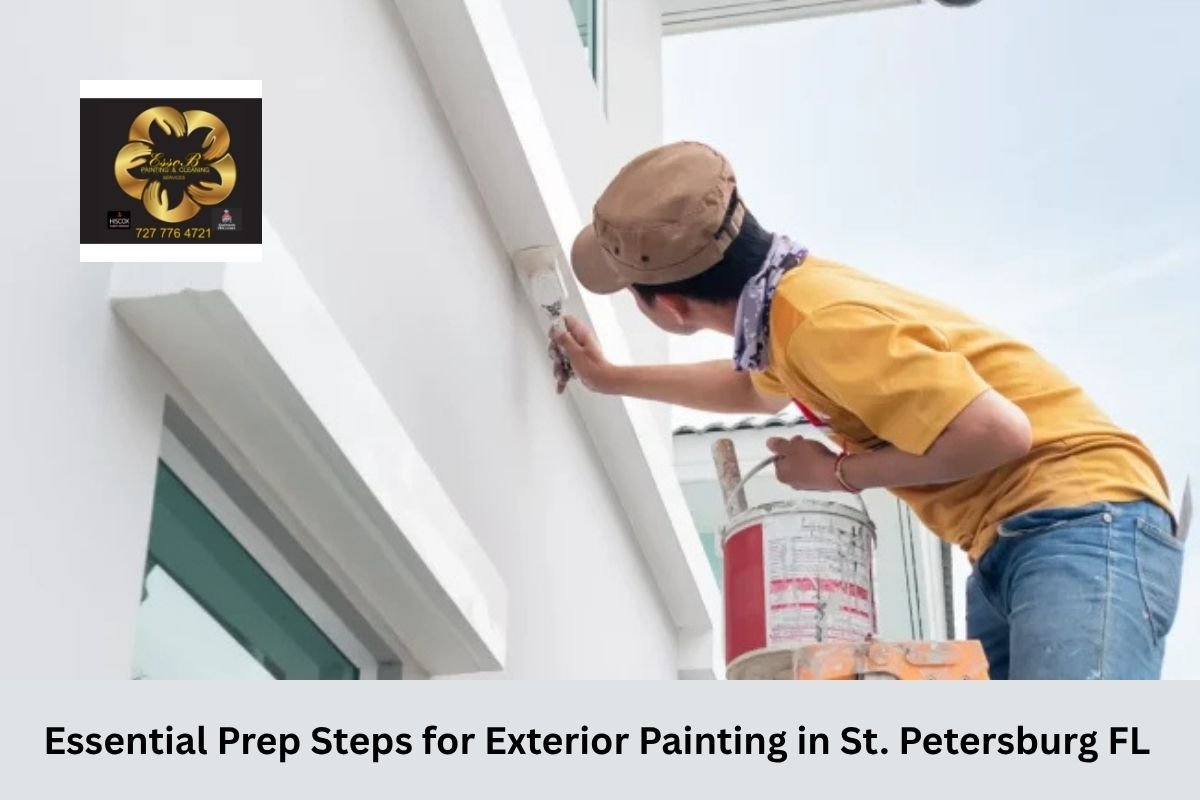
When it comes to enhancing your home’s curb appeal and maintaining its value, exterior painting plays a pivotal role. In

In the competitive landscape of Pinellas County, including bustling cities like St. Petersburg, Clearwater, and Largo, making a strong first
We take pride in the satisfaction of our customers. Our customer testimonials speak to the exceptional service and outstanding results we deliver. Hear from our happy clients who have experienced our skilled painters, eco-friendly painting practices, high-quality materials, and attention to detail firsthand.
This was a wonderful and reassuring experience! I had several cracks in the stucco around my home and concerned about those cracks being properly repaired. I was assured my satisfaction was of the upmost concern and guaranteed that I would be pleased with the work. Without a doubt I am impressed and happy to recommend this company for your painting needs. Mr. Eddie is a painter with integrity and professionalism he believes in his craft, and so do I.
EssoB services - very professional, responsible, with a sense of aesthetics, attention to detail, high level of protection and cleanliness. I will be happy to hire him in the future and I highly recommend him
We hired Esso to paint the exterior of our house. His quote was competitive and he was very professional. He was very helpful and patient with me getting the paint and he is very easy to work with. We will work with him again on any paint and pressure washing job we have. Thank you for a beautiful job!
We hired Esso to paint 2 rooms, a small hallway, some trim and the hallway ceiling. He gave a very good, competitive quote. His manner was respectful and he was clear about how he will keep his work area neat and clean. He went above and beyond! What we thought was going to be the easiest room had underlying issues and he had to spend more time fixing…